Summative: Contexts- Brand

Screen Shot 2019-01-04 at 13.18.19.png

The brand I was given is Allsaints. Originally I was a bit disheartened by this as Allsaints isn’t a brand I shop at, nor does it particularly inspire me. However after my research further into the brand, I felt a little more hopeful.

Allsaints was established as a menswear brand in 1994, four years later, they introduced their womenswear. Named after the hip and trendy Allsaints Road in London, its brand narrative and ideologies really reflect this. Allsaints isn’t a slave to trends, it strives to create individual clothing that expresses attitude. The have recognised and strived upon the fact that not all women want to wear obviously girly clothing, hence adopting the androgynous style.

The typical colour palette for Allsaints is a mixture of greys, beiges and black. They pay huge attention to the elegant, architectural, sharp edge clothing and vintage style pieces. Using fabrics such as distressed denim, chunky knits, washed jersey and iconic dark leathers.

Screen Shot 2018-12-29 at 20.08.37.png

I decided to take a trip to the Greenhithe Allsaints store to refresh my memory of the shop interior and brand aesthetic. The visual merchandising was extremely generic to the brand and I feel, lacked excitement. The typical black industrial clothing racks, along with the iconic Singer sewing machines dotted all over the store seemed rather dated. Below are some of the images I took whilst in store. I took the chance to ask the customers in store what they liked about the brand in a few words. Some the answers included- Luxurious, Good quality, Stylish, Trendy, Shopped here for years, Love the brand, Good value for money, Long lasting staple items. While this information was still valid, I decided that basing my consumer research on this would be biased because all of the people in store would have given positive answers because they like the brand (hence why they were browsing). Therefore I decided to carry out a non biased survey.

The results of my survey were pretty predictable. 100% of people answering were women. However when I asked for words coming to mind when they picture the brand, the results were more varied- Overpriced, Authentic, Emo, Rustic, Simple, Dark, Tasteful, Grunge, plain. I also asked people whether they’d shop at Allsaints- 28.57% answers YES, 71.43% answered NO. When asked why not? the majority of responses were price. Some commented on the fact the clothing was too plain and poor material. Leading me to conclude that the target market for Allsaints are 18-35 with a large disposable income for trendy, alternative clothes.
Summative: Contexts- Trend

Over the christmas break, we have been given the task of carrying out the 4 FCP stages independently. I have been given the Brand: Allsaints, the Trend: Ornamented and Embellished and the Outcome: Lens.

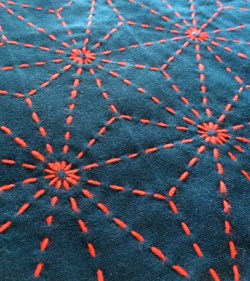
I initially started my project exploring the contexts stage by looking deeper into the history of Embroidery and surface design\embellishment. Embroidery originated in the Middle East and was most commonly used to reflect social idioms. It was an effective way to empower women in rural areas. The development of embroidery being used for fashion purposes came from the act of repairing clothes, but is now used to adorn clothes, making them more luxurious. I discovered the ancient art of Sashiko- embroidery using only thread to make surface patterns.

sash5.jpg

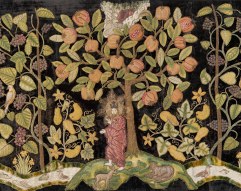
In europe, professional embroidery was the job of Nuns. It was most frequently seen in religious textiles as a luxurious way of showing key scenes in the bible. However by the 16th and 17th century, embroidery moved to decorative and Tudor’s used it as fashion.

tudor.jpg

In 1848 embroidery went commercial. Jacob scheiss was the first person to start an embroidery business- this was the turning point from when embroidery went from practical to fashionable.

Visual analysis- Horst P. Horst

Slide1.jpg

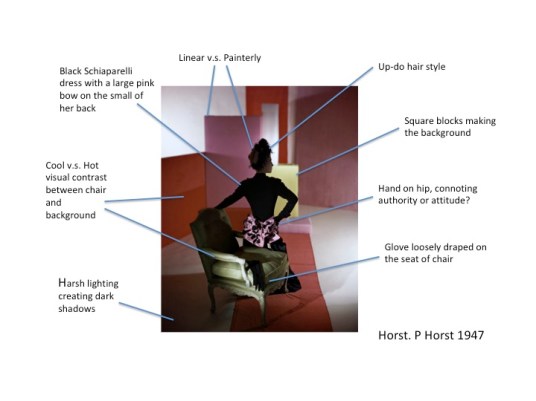
At first glance, this image has three components, a chair, a black silhouette and a colourful backdrop- immediately raising questions as to, why?

The dark silhouette is a woman looking to the right with her right hand resting on her hip, whilst her left hand is leaning on the back of the chair. She has her back to the camera and looks as if she is perching on the chair arm.

The image consists of many visual contrasts, cold tones in the furniture contrasting with the hot reds and pinks of the 3 dimensional cubes creating the background. The painterly silhouette of the woman and delicate detail in the chair contrasts with the linear shapes of the carpet on the floor and the cubes. The harsh lighting has also created deep shadows that contrast with the areas that the light hits. Seemingly, there is a red carpet directing the eye past the subject of the woman and chair, drawing your eye to the layers of squares that is the background. Horst. P Horst has used the Rule of Thirds theory when capturing this image, the focus of the camera has been directed on the subject whilst the background is somewhat out of focus; a shallow depth of field has been used, creating a dream-like, fantastical first impression.

This photograph was for the 15thFebruary 1947 issue of Vogue; it is called Suit and Headdress by Schiaparelli. Schiaparelli is an Italian- born French Fashion designer and is famous for introducing the shade known as ‘shocking pink’. This is reflected significantly in the shoot with the dominant colours being shades of pink, particularly the loud pink bow placed on the woman’s lower back.The structure of the image is orderly with the silhouette placed central, however, the chair is off centre and the background is unsymmetrical, creating a disorderly contrast. The lighting of this image creates an atmospheric illusion. It would appear that the lighting is coming from at least two separate sources creating confusing shadows. For example, the chair leg creates a light shadow whereas the lady’s silhouette creates no shadow following that of the chair; suggesting there is a light in front of her as well as directed at the chair.

It is obvious to me that the two main features that form the image (subject and the background), are from a bygone era. The background suggests that Horst has adopted a Neo-Plasticism feel because of the use of squares and cubes. However, the woman and chair places in the image appear to have come from a French Renaissance era, in turn, creating another interesting visual contrast.

The lady’s face is shaded and it’s hard to distinguish an expression but her head is turned tentatively, combined with her posture of a straight back and hand on hip connotes an authoritative character. With the chair being feminine in terms of the intricate design, combined with the colour palette being predominantly pink and a woman as the subject, there is seemingly little masculinity to this photo. However, the woman is dressed in a dinner suit. Deeper exploration of this brought me to the insight that the 1900’s were the era women started to rebel against the popular culture of women typically wearing dresses. This could have been reflected in the image, having been photographed in the 1940’s. The lady has also taken off her glove in the image, potentially connoting rebellion.

I believe Horst’s intentions lay within trying to create juxtaposition in this image. Styling the model in a dinner suit, historically used as a man’s garment, whilst creating a dark silhouette (in turn, creating a cold appearance) opposes the warmth and femininity of the chosen background colour choices. My interpretation is that this, combined with her strong poise, would suggest that she is rebelling against the ‘norms’ of female identity- an important but often misconstrued theme in surrealist art.

My first impressions of Dinner suit and Headdress were of somewhat confusion and puzzlement as to what the image was trying to express. Upon further analysis I discovered that this image’s narrative is made up entirely of visual contrasts, prompting the viewer to question the meaning behind it. Using contrasting colours and tones, as well as the use of a female dressed in a dinner suit; Horst has successfully told a story of the social conflicts occurring in that era, with focus on blurring the gender stereotypes. Horst has adopted a surrealist feel to the image by combining the Neo-Plasticism movement with the Renaissance era, and combined with the use obscure lighting and blurred background; it creates, to me, an almost fantastical/mystical narrative.

Mui Mui’s SS18 Campaign


miu_miu_spring_summer_2018_adv_5

After my recent blog post (insight to vis con), I can’t help but notice the use of visual contrast in campaigns and ads now!

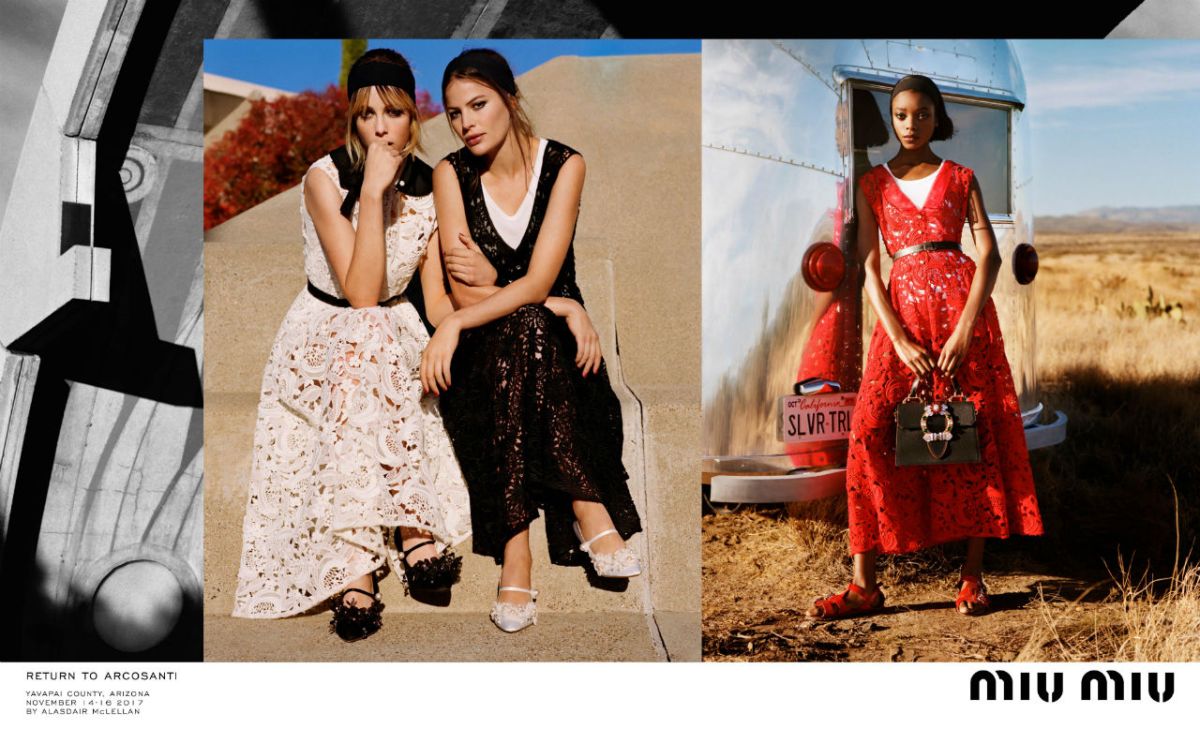
I recently came across this image that fed my inspiration for a blog post- Miu Miu’s Spring/Summer 2018 campaign (RETURN TO ARCOSANTI). This campaign is just bursting with visual contrasts and I couldn’t help myself but to pick it apart and distinguish the interesting use of visual contrast that has been lensed by Alasdair McLellan. The whole campaign has been based on the same contrasts but I chose this one to look at in more depth.

  1. Hot vs cold- The tones in the red dress, warm earthy tones and red tree combined with the cool blues of the sky and the silver truck creates a tonal contrast in the image.
  2. Linear vs Painterly- The linear structure of the steps and monochrome architecture, creates a contrast with the painterly silhouette of the women featuring.
  3. Colour vs Mono- The foreground images are bursting with colour however the background image has been shot in mono creating a colour contrast.
  4. Technical vs Organic- The industrial structure of the concrete, along with the metallic vehicle clashes with the organic form of the human body and landscape.
  5. Single vs Multiple- The most obvious contrast in the image is that there is one model on the right hand side image wheres as the left hand image contains two women, creating a single vs multiple contrast.

-Kirsty


An insight to Visual Contrast

An informative lecture with Tim Rundle opened my eyes to the popular use of visual contrast in fashion photography/promotion. Before the lecture, visual contrast was not something blindingly obvious to me, I now find myself noticing it everywhere and appreciating how effective it can be in creating an interesting visual conversation between the space, subjects and components of an image or interior.

After a recent visual analysis, I realised that taking apart the image given and starting with pinpointing the visual contrast used was a great way to start analysing the image. This method of analysis helped me hugely when looking at Dinner suit and Headdress by Horst P. Horst. The use of contrasting features as a way of generating visual interest was a key part of this image.

I will list some of the visual contrasts featured in the lecture below. This list shows the diverse ways in which a photographer can create visually interesting imagery simply by using contrasts.

  • Linear vs Painterly- Often used in terms of painterly silhouette (natural human form), contrasted with an architectural location backdrop.
  • Clean vs Busy- Minimalism combined with a highly busy image can create an interesting composition with focus on the space.
  • Technical vs Organic- Similar to linear vs painterly but can be applied to industrial and natural forms, such as urban and rural.
  • Type vs Image- Pretty self explanatory, an interesting layout can be formed by incorporating text with image (editorial).
  • Large vs Small- Focussing on proportion creates an interesting composition.
  • Colour vs Monochrome- Sometimes its nice to add in some b&w to urge the viewer to focus on the subject matter, often colour can be a distraction.
  • Crisp vs Blurred- Creates a focal point for the viewer to notice, often the subject is crisp and the background is blurred. Alternatively, the background can be crisp and the subject can be blurred, raising mysterious vibes.
  • Whole vs Partial- Cutting the image off from deliberate cropping, combined with a figure thats whole, again creates a different composition.
  • Single vs Multiple- Similar to clean vs busy but more apparent in objects or models.
  • Cold vs Hot- Tonal contrast with reds, oranges and yellows can contrast with blues and greys.
  • Opaque vs Transparent- Creates a focal point, standing out to the viewer.

After learning about these different types of visual contrasts, it has helped me appreciate the creative thinking behind each fashion campaign or shoot. Every element of a campaign has been thought of in order to create the most diverse, visually interesting image to draw consumers in.

-Kirsty

Rebellion, A Trend Story

Over the past two weeks we have been working on the first stage of the FCP process- CONTEXT (first of four; Context, Ideas, Concepts, Outcomes).

Out of a possible four trend stories, Purity/ Rebel/ Active/ Romance, my group was allocated Rebel. The aim of this task was for us to develop the skills to research the context surrounding Rebellious Fashion. We started by brainstorming what rebellion meant to us, and key words that came to mind such as anarchy, colours (black/dark shades), chaos, studs, Doc Martins, brave, Rock ‘n Roll etc. We shortly realised that rebellion fell into two categories, Cliche rebellion and Innovative rebellion. These two categories were the basis of our research.

The research was split into 3 sections: Shops, People and History and being a group of 7, we decided to split up into three groups to create the outcome which was a ten minute presentation consisting of 3 mood boards. The three people researching history were involved in collecting secondary research from internet sources and books/ magazines from the library. The pair in charge or shops started off heading into town to gather some primary research but quickly discovers there was little real rebellion present in the mainstream high street stores of Nottingham. They researched into campaigns and visual merchandising that stood out from the normalities of typical shops, e.g. guerrilla marketing- true forms of rebellion and not just a cliche dark interior or dim lights. Myself, along with Millie were in charge of people and the public eye. We started off with primary research, wondering around Nottingham, asking the public that we thought dressed rebelliously for photographs and why they wore the clothes chosen. We quickly realised, similarly to the ‘Shops’ team, rebellious clothing was hard to come by on the streets and it was more common in high end designers and catwalk shows, willing to take a risk and be innovative. We researched some designers we believed to be bending the rules and changing the norms, such as Alejandro Palomo and Alexander McQueen. Palomo dresses his seemingly female clothing range on male models with feminine backdrops, blurring the lines on gender stereotypes, something I believe to be a lot more rebellious than a cliche ripped jean or a leather jacket.

-Kirsty

Opening of Nottingham Zine Library

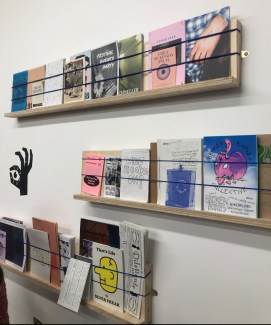
A ‘Zine’ is a small circulation self-published work of original or appropriated texts and images. They tend to be made, produced and distributed by individuals or small teams, becoming very personal projects.

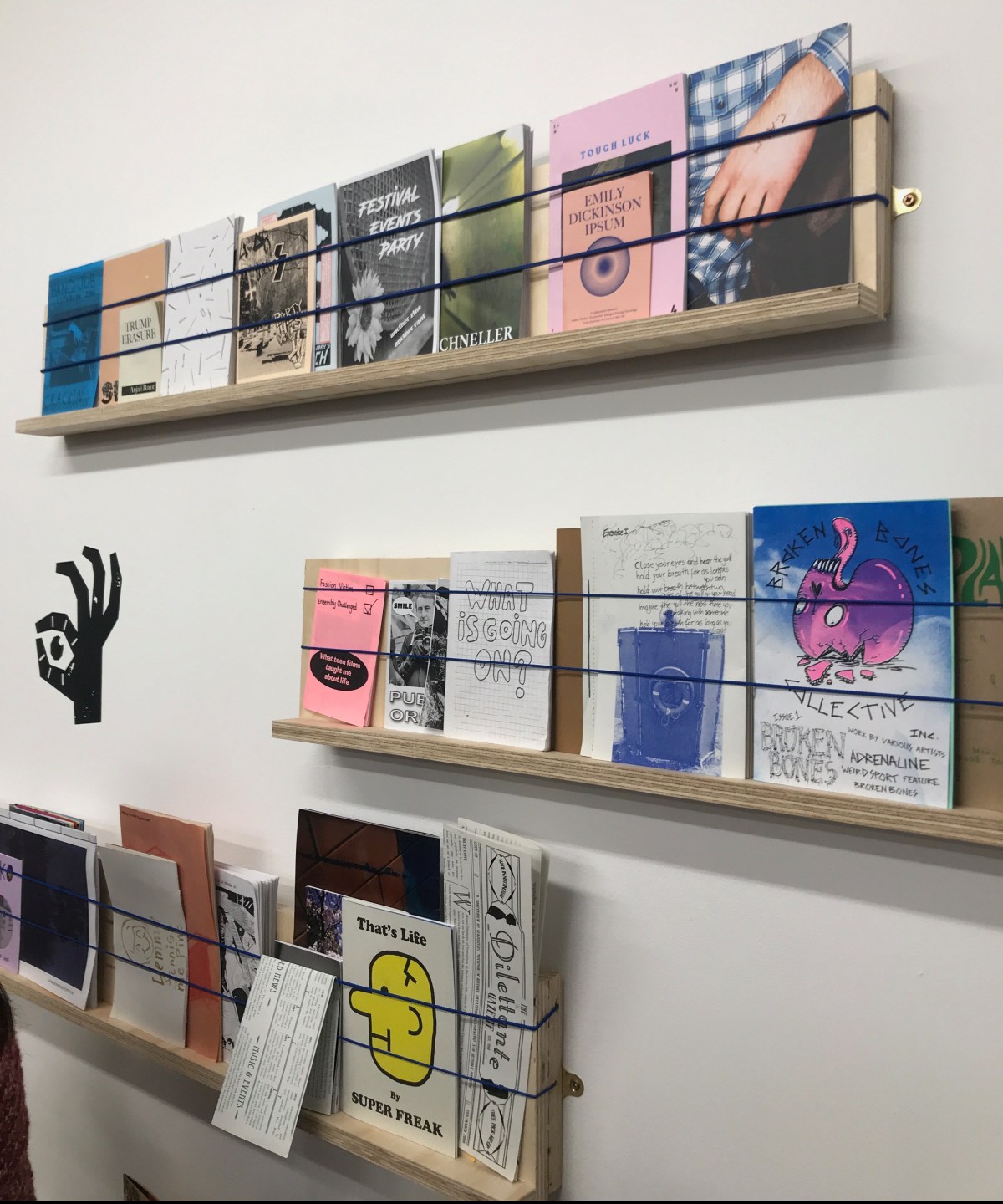
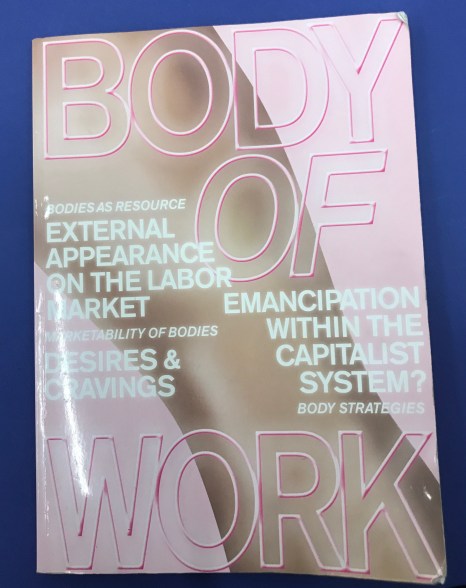
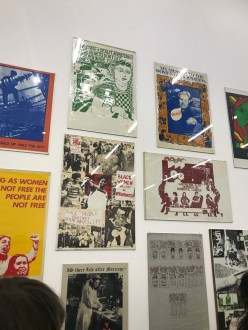
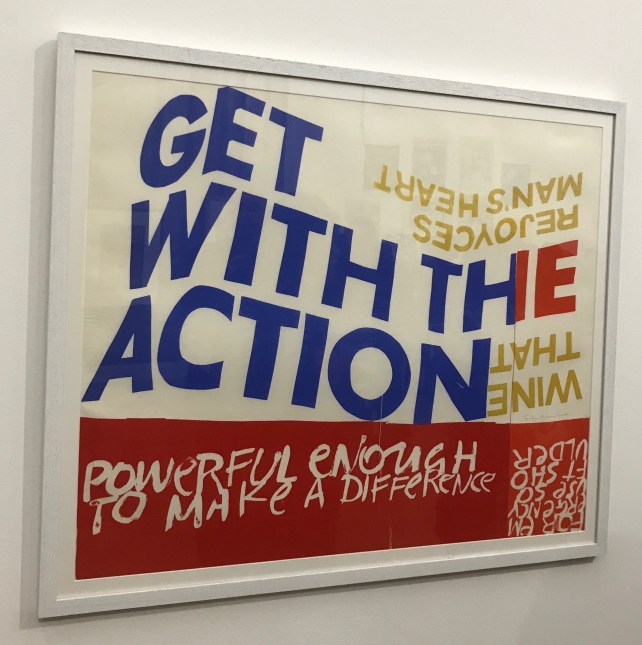
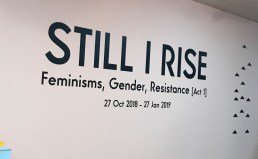
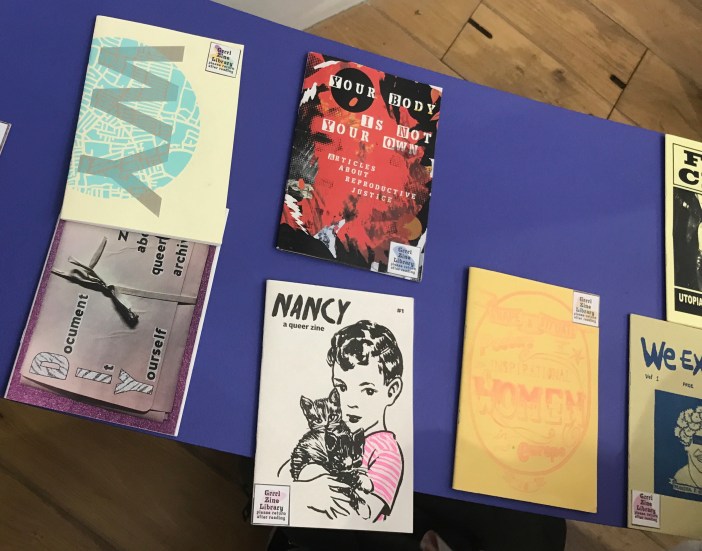
A lecture with Raw Print’s Matt Gill introduced me to the new Zine library at Nottingham Contemporary. After a particularly interesting talk from Matt, I decided to go along to the opening of the exhibition and I was pleasantly surprised. The library was part of  an exhibition called ‘Still I Rise’- An exhibition exploring the History of Feminism, the Women’s Liberation Movement and Resistance Movements.

Upon browsing the Zines, I picked up on the common trend in subject matter. Recurring Zines about Gender inequality, sexuality and other social matters that were clearly personal to the producer. This made the exhibition incredibly expressive and raw.

I really enjoyed this exhibition, although I wouldn’t particularly class myself as a Feminist, I definitely believe in equal rights and gender equality and I appreciate active feminists and their platforms (Adwoa Aboah and her platform Gurls Talk is my favourite). I will attach some of my images of ‘Still I Rise’ and the Zine Library below along with a few of my favourite Zines I saw.

-Kirsty

img_4062.jpgIMG_4063img_4064.jpgIMG_4066IMG_4067

img_4061.jpg


Starting University…

So here goes my first blog post! Please excuse my inexperience because I have never blogged before-

The first week of NTU was hard work, trying to juggle induction lectures, seminars, 9am’s, hangovers and Freshers events has been intense but a lot of fun.

I’m going to start my blog with discussing the main reason for it- Starting Fashion Communication and promotion at Nottingham Trent. As part of the course, its essential that we develop a critical voice about areas of the industry, so for the next three years I will be using this online platform to share and express my ideas and experiences on the course, whilst documenting my findings and projects.

Week one was a breadth of information from the New York trip (which I am so excited for) to finding and exploring areas of Nottingham and introducing us to our lecturers we will be having for the foreseeable future.

In groups we carried out an ice breaker activity called ‘Finding Cool Places’ in which we photographed different interesting areas of the city that we found, helping us find our way around and get to grips with Nottingham.

-Kirsty